Transforming Ambulance Fleet Management with FleetWave
Reliability: The non-negotiable baseline for any ambulance service. When a call comes in, the assumption is that a vehicle is not only available but fully equipped and mechanically sound.
However, as providers face record-breaking utilization rates and increasingly dispersed operations, maintaining this status has become an immense logistical challenge. That’s where Chevin Fleet Solutions can help — we’ve seen firsthand how data-driven fleet management can turn the tide.
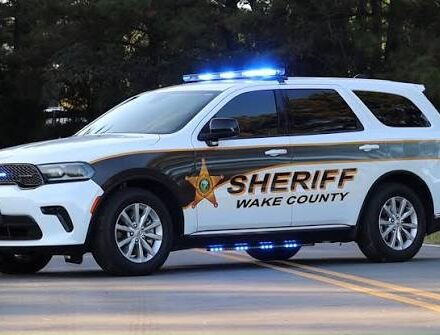
In the United States, forward-thinking organizations like Wake County EMS have begun adopting centralized, digital fleet management to replace fragmented, manual tracking. By consolidating high-utilization fleets under one platform, they gain real-time visibility and maintenance scheduling that keeps every ambulance fully operational.
Across the pond, leading organizations like the West Midlands Ambulance Service and the Welsh Ambulance Service in the UK have already set the gold standard by rejecting fragmented, manual tracking. By bringing their high-utilization fleets under one streamlined digital roof with FleetWave, these services ensure their units stay where they’re needed most: on the road.
Challenges of ambulance fleet management
Unlike standard commercial fleets, Emergency Medical Services (EMS) face a unique set of pressures that make manual ambulance fleet tracking nearly impossible to sustain.
1. Scheduling preventative maintenance
Ambulances are always on the move. High-utilization rates mean vehicles are often running 24/7, leading to accelerated wear and tear. The biggest challenge is scheduling preventative maintenance without compromising emergency coverage. Every hour an ambulance spends in the repair garage means it isn’t available for a 911 call; therefore, uptime maximization — keeping vehicles road-ready as much as possible — is the most critical performance metric in this sector.
2. Maintaining specialized equipment
The vehicle chassis is only one aspect of an EMS fleet’s complexity. Each unit functions as a cutting-edge clinical workspace that combines advanced life-support systems with automotive engineering. This places a dual maintenance burden on fleet managers: in addition to keeping track of brake wear and oil changes, they also have to manage a rotating inventory of medical devices, each of which has its own regulatory clock and calibration requirements.
3. Navigating compliance requirements
With its own service schedule, calibration cycle, and compliance record, every ambulance unit is a mobile clinical setting that houses a sophisticated network of life-saving technology.
Managing these specialized assets requires precise tracking of:
Critical medical equipment: Defibrillators, ventilators, and infusion pumps must meet exacting medical standards. A single day past a service deadline can ground a vehicle or create significant liability.
Specialized conversions: The patient compartment includes high-wear components like hydraulic gurney lifts, integrated oxygen systems, and climate-controlled medication storage.
Onboard technology: A functional digital backbone, including Mobile Data Terminals (MDTs), GPS tracking, and emergency lighting, is essential for crew safety and navigational accuracy.
4. Eliminating operational bottlenecks
While smaller agencies may still rely on paper logbooks or whiteboards, larger EMS operations face a different bottleneck: multiple digital systems that don’t communicate. Vehicle records, maintenance schedules, fuel data, telematics, and equipment inventories are often scattered across separate tools.
The result is similar to fragmented manual systems — information silos, delayed decisions, and increased risk of errors. Staff spend time reconciling data instead of acting on it, and critical insights about fleet availability, maintenance needs, or operational efficiency can be missed.
5. Managing resources across regional operators
Fleet assets are frequently distributed among several stations and substations for large or regional providers. When data is dispersed, cost management, including fuel expenditure, parts inventory, and technician labor, becomes exponentially more difficult. Managers need the ability to see the big picture to optimize resource allocation and justify budget requests for fleet renewals.
What does modern ambulance & EMS fleet management look like?
For today’s EMS directors, modern means moving away from the chaos of reactive maintenance toward a streamlined, proactive infrastructure.
Chevin has spent over three decades defining this modern standard. By moving away from fragmented systems, a truly modern operation delivers:
Centralized visibility and real-time data
At the core of a modern operation is centralized visibility. There are risky blind spots when personnel, medical equipment, and vehicles are managed in distinct silos. The total health of the operation is monitored by best-in-class suppliers using a single platform. This entails having instant access to precise data that enables quick, well-informed decision-making, from fuel consumption and engine diagnostics to oxygen sensor calibrations and driver certifications.
Integrated maintenance and compliance
Modern management replaces disconnected spreadsheets with integrated workflows. When maintenance is linked directly to compliance, a vehicle’s service history, DOT inspections, and equipment certifications are updated simultaneously. This integration ensures that no rig hits the road without meeting strict safety and legal standards, drastically reducing the risk of audit failures or liability.
Mobile-enabled efficiency
The modern repair station is paperless. By utilizing mobile-enabled workflows, drivers can complete daily walk-around inspections on tablets, instantly flagging defects for the maintenance team. Technicians can then access work orders and parts, and update status codes from the bay, ensuring that communication is instant and wrench time is maximized. This connectivity closes the loop between the field,the workshop and the parts center, slashing the turnaround time for critical repairs.
Scalable, regional support
Finally, a modern system must be scalable. Whether managing a single city’s response or a multi-state regional service, the software must handle the complexity of dispersed operations. This scalability ensures that as a service grows, its administrative burden doesn’t, allowing providers to maintain high standards of care across every zip code they serve.
How FleetWave supports ambulance & EMS Fleets
In a sector where availability is the primary KPI, Chevin brings decades of fleet management expertise to FleetWave, our central platform designed to streamline and optimize ambulance and EMS operations. FleetWave replaces manual guesswork with automated precision, ensuring that every vehicle and piece of life-saving equipment is ready to respond when the call comes in. Built specifically for complex, high-pressure fleet environments, the platform provides the stability needed to manage mission-critical assets at scale.
Improving vehicle availability
To maximize uptime, a proactive, data-driven timetable must be implemented. FleetWave, Chevin’s flagship ambulance fleet maintenance software, automates scheduled maintenance by leveraging real-time mileage and engine hours to send service notifications before a mechanical issue occurs. Frontline teams benefit from clear status tracking, providing a quick, color-coded view of which vehicles are response-ready and which need repair.
Strengthening compliance and governance
Maintaining high safety standards necessitates meticulous recordkeeping that can bear intensive scrutiny. FleetWave generates a permanent digital trail of inspection and maintenance records, ensuring that each repair, calibration, and safety check is timestamped and auditable. Because the system is highly configurable to support existing EMS workflows, you can standardize safety protocols across many depots and locations without disrupting the specific procedures your team relies on to stay compliant.
For those in the public sector managing ambulances, Chevin are approved suppliers via a range of procurement frameworks, including GSA Advantage, Equalis, NCSheriff and VirginiaSheriff – ensuring that even when you’re buying fleet management software you’re meeting compliance needs.
Reducing administrative burden
Paperwork slows down operations. FleetWave automates reminders and workflows, from license renewals to equipment recertification. By integrating with fuel cards and telematics, it eliminates manual data entry, reduces errors, and breaks down data silos. Directors can quickly access accurate fleet insights, such as total cost of ownership reports and asset lifecycles, without having to sift through filing cabinets.
Key benefits of FleetWave
Ensuring that vehicles and equipment are response-ready at the lowest possible operational cost is the main goal of contemporary EMS management. Ambulance fleet management software like FleetWave delivers this through a scannable suite of high-impact benefits:
- Increased ambulance availability: Real-time visibility into your entire fleet ensures that dispatchers and managers know exactly which units are mission-ready, maximizing frontline coverage.
- Reduced vehicle downtime: By shifting from reactive repairs to a proactive, data-driven maintenance schedule, you can identify and address minor mechanical issues before they escalate into service-interrupting breakdowns.
- Enhanced compliance and audit readiness: Maintain a gold-standard digital paper trail. Every medical equipment calibration and vehicle inspection is timestamped and stored, making state and national audits effortless.
- Lower administrative overhead: Automated workflows and mobile integrations eliminate the need for manual data entry and paper-shuffling, allowing your team to focus on fleet strategy rather than paperwork.
- Improved cost visibility and control: Instantly track the Total Cost of Ownership (TCO) for every asset. Identify high-cost vehicles and inefficiencies across your operation with a few clicks.
- Scalable platform suited to the public sector and emergency services: Designed to grow with your agency, FleetWave handles the complexity of dispersed regional depots and large-scale emergency service requirements without adding administrative friction.
Case Studies
How we’ve helped
These results from our international partners demonstrate the platform’s ability to handle high-volume, mission-critical environments.
Managing over 1,200 vehicles and 7,000 medical assets, the UK’s West Midlands Ambulance Service replaced fragmented spreadsheets with a single, centralized platform. The FleetWave Technician App was a key addition, digitizing the workshop and providing real-time visibility into asset compliance and readiness.
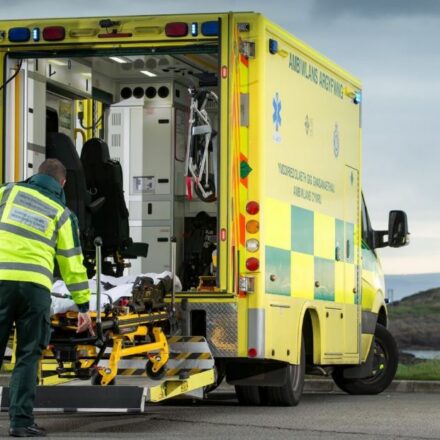
By automating cost-center coding and invoicing, Welsh Ambulance Service reduced administrative overhead by 60%. They also used FleetWave’s data to move to a 99% paper-free operation and optimized their maintenance schedules based on vehicle idling hours rather than just mileage.
Ready to improve your fleet
To learn how FleetWave can support your ambulance or EMS operations, explore our case studies or request a FleetWave demo to see how smarter fleet management can help keep your frontline services moving.
Request a Demo