Case study
Biffa Waste Services: confirming FleetWave as the best-in-class fleet management solution following a rigorous procurement process
Industry: Waste Management
Fleet Size: 5,600+
Asset Count: 1,100+
Region: Buckinghamshire, UK
Customer Since: 2008
Products Used: FleetWave
Background
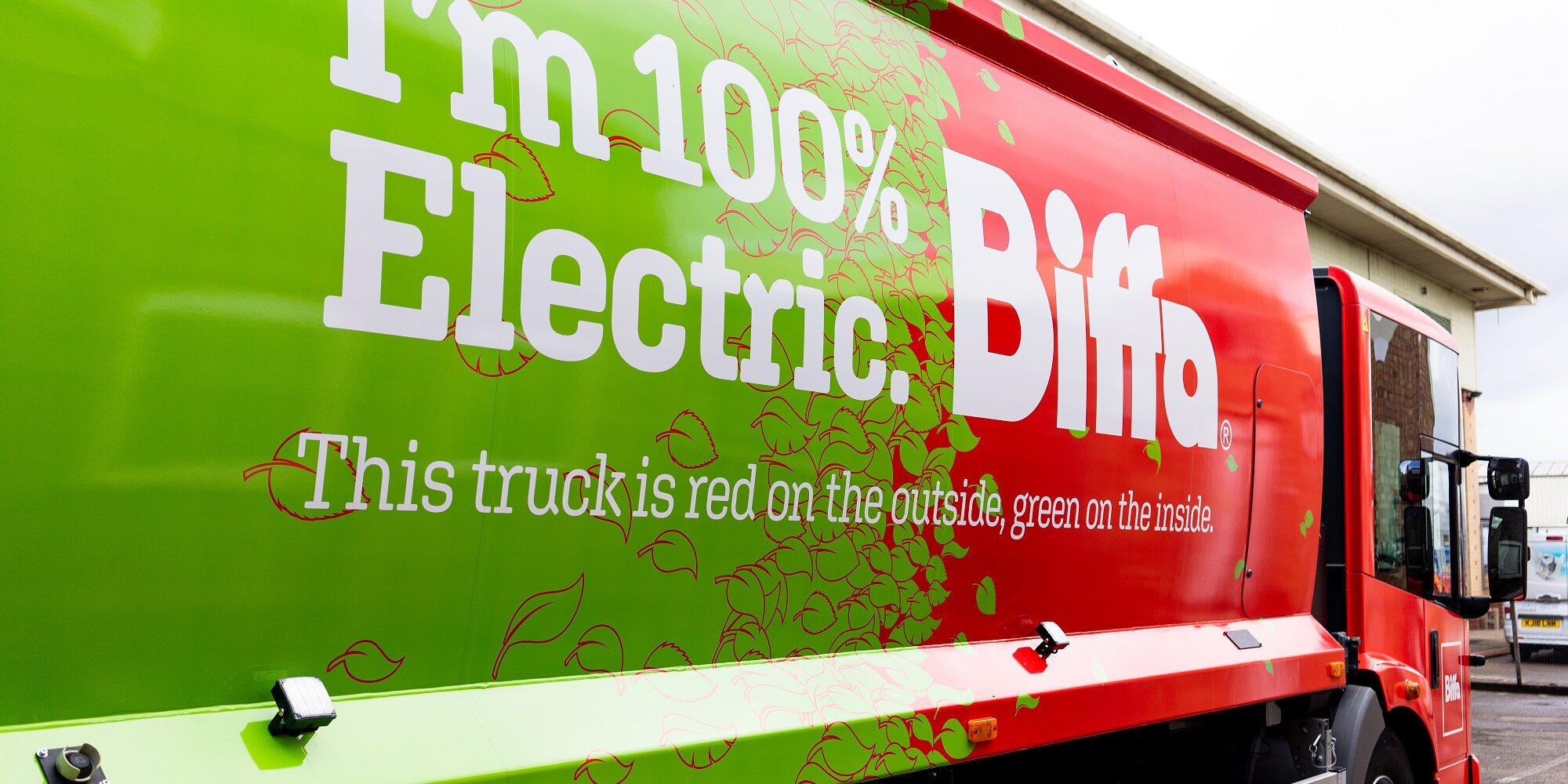
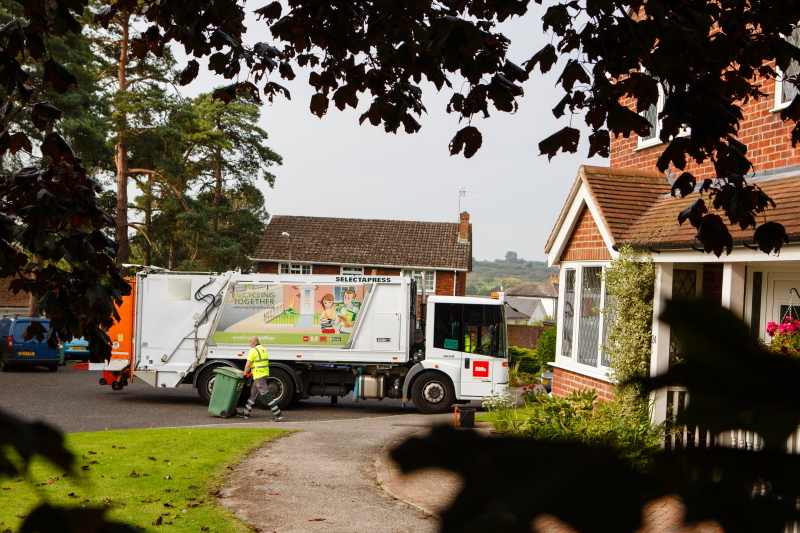
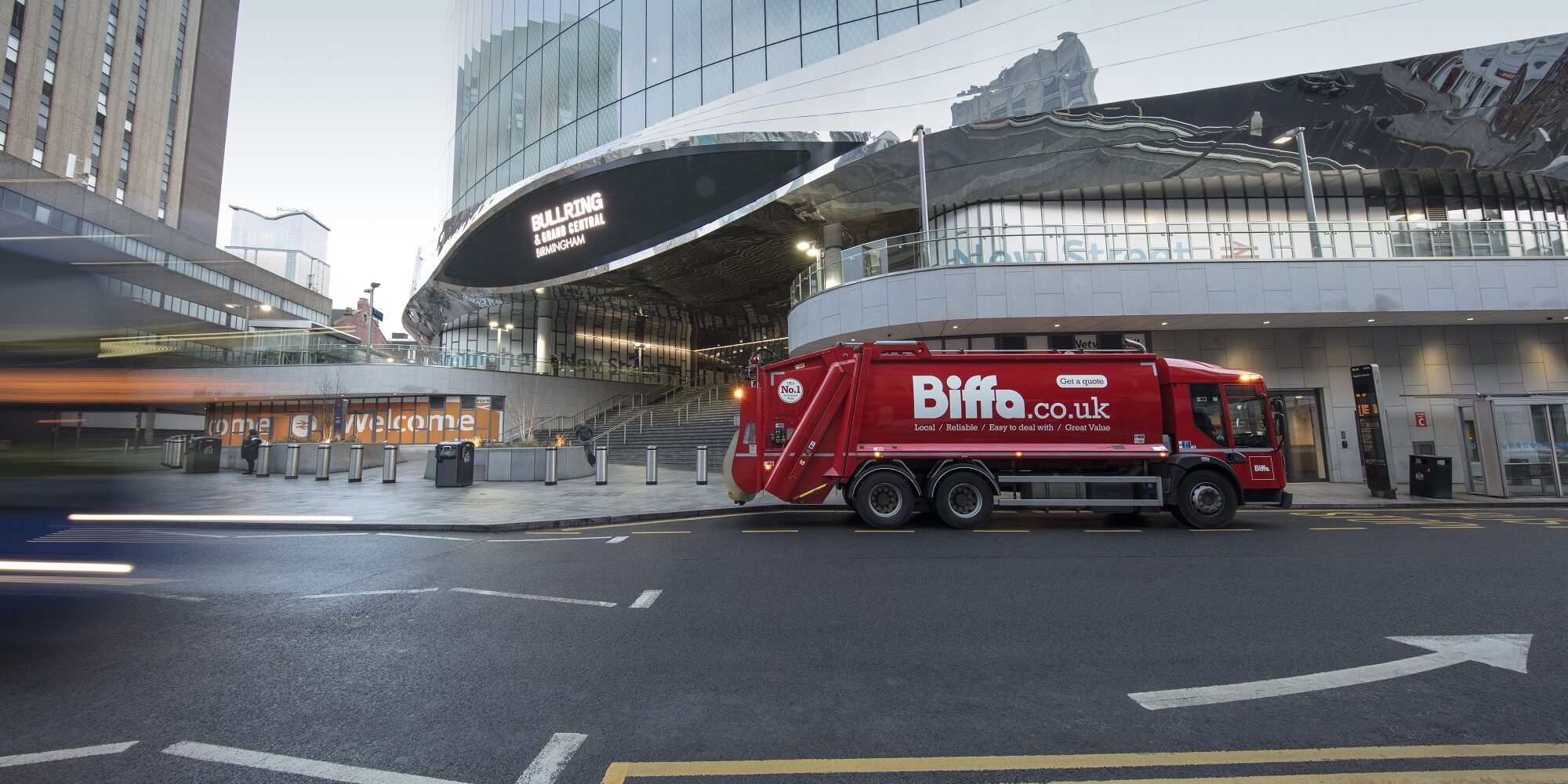
Biffa Waste Services Ltd manages a large and diverse fleet of vehicles that support commercial and industrial waste management across the country. Their fleet includes collection vehicles for general waste, recycling, food waste, hazardous materials, and skip services, including some that are 100% electric, ensuring businesses of all sizes can maintain smooth and compliant operations. These vehicles enable Biffa to provide reliable, sustainable, and flexible waste solutions, including 24/7 account management, local and national collection services, and contamination-free recycling.
Biffa’s fleet underpins the company’s mission to support the circular economy and improve sustainability outcomes for clients. By connecting on-the-ground collection with digital management systems, the fleet ensures timely, efficient, and transparent waste services that scale with customer needs, helping businesses reduce waste, increase recycling rates, and maintain operational efficiency.
Biffa has been using FleetWave since 2008, and when it came time to renew their contract, a blind procurement process, where supplier responses were de-identified to avoid bias confirmed FleetWave as the top solution, demonstrating its consistent quality and value. We spoke with Ian Nash, a key operations lead at Biffa, about the evaluation process, why FleetWave stood out, and how the platform continues to support the management, compliance, and refinement of one of the UK’s most complex waste collection fleets.
Challenges
Operating one of the UK’s largest waste management fleets brings significant complexity. From ensuring vehicles are available to deliver critical services, to maintaining compliance and controlling costs, fleet operations sit at the heart of service delivery. For Biffa, the scale and diversity of their fleet meant any technology supporting their operations needed to be robust, scalable and capable of managing a wide variety of assets across the business.
The business began reviewing its existing fleet management solution, FleetWave, as their contract was due to expire and decided to undertake a procurement process to ensure they were choosing the best solution on the market for their fleet. As part of this process, the team deliberately returned to the fundamentals of what they truly needed from a system. As Ian explains: “When we started this journey, we went back to the real basics of what do we need as the critical features and functions of a solution.”
Rather than simply replacing technology with a like-for-like system, Biffa used the opportunity to reassess their requirements across the business. Central to this process was ensuring that the people who relied on the system every day were involved in shaping what the future solution should deliver.
By focusing on feedback from operational teams and system users, Biffa ensured the requirements reflected real-world operational needs rather than theoretical functionality. This collaborative approach helped build a clear picture of what the business needed from a modern fleet management platform and set the direction for the next stage of the process.
As Ian adds, this foundation then guided the search for the right technology partner: “That was a great place to start, and that then created the next stage, which was finding suppliers that could satisfy all the important features and requirements.”
Our Impact
To select the right partner, Biffa followed a structured procurement process, evaluating suppliers against clear requirements. Ian explains: “We researched the marketplace to find all the possible suppliers, and to make sure they had a high pedigree of offer, and that they were going to be there for the long term in a partnership with Biffa.”
Biffa then de-identified RFI responses to remove bias and focus on solution quality. Ian adds: “It’s very easy to have a bias for your current solution. We ranked the feedback from the suppliers on the critical stuff we needed and how well [each supplier] provided it.”
This narrowed the field to four vendors who met all critical requirements. Ian continued: “The number of possible vendors were down to a top four, which all met our critical needs. That point was the only time procurement released who the top four were by name. All through that process we were marking on the quality of the offer, rather than who was providing it.”
The shortlisted suppliers presented their solutions to operational teams, who scored them based on usability and fit. Ian adds: “The next phase was to offer those top four suppliers the opportunity to present their products. Our actual users then scored the offers based on which would suit them best for their job.”
Cost was also added to create an overall value score, allowing senior leaders to make a balanced decision. Ian states: “The cost aspect was then brought in to create value, so we got a user score, and then we then put costs in to give a value score. Then we were able to go back to the senior leaders and inform them that it was a holistic selection, not just on who they were and what it would cost, but the value that we could bring if we changed to a new solution.”
After this thorough process, Biffa decided to remain with Chevin Fleet Solutions, as their FleetWave platform proved to be the best all-round solution for the business.
Benefits
Over the years, FleetWave has delivered significant benefits for Biffa, enabling the business to manage its complex fleet more effectively. Ian states the importance of visibility and reliability in operations: “Transport of the material, whether it’s waste or recycling, is critical. So knowing that we can track or monitor our vehicles to make sure the transport is available is really fundamental to offering our customers a good service.’”
The FleetWave platform supports the full range of Biffa’s vehicles, from simple panel vans to advanced alternative fuel waste compaction vehicles. Ian states: “FleetWave allows us to track a very diverse range of vehicles from a very simplistic panel van to a more complex alternative-fuel waste compaction vehicle. And it’s so important to be able to track and manage those.”
FleetWave has also provided measurable operational efficiencies and time savings across the business:
- Scalable fleet management – FleetWave now supports more than 5,000 HGVs and small-to-medium vans, scaling by an estimated 257% since implementation in 2008, when the fleet comprised around 1,400 vehicles.
- Digital compliance checks – FleetWave processes around 500,000 digital walk-around checks each year, eliminating paper-based processes and saving approximately £49,000 annually in printing costs.
- Efficient records management – compliance records are now kept digitally for 15 months, replacing around 1.6 million paper check sheets each year and significantly reducing the administrative burden of handling, sorting, storing and securely disposing of paper records.
Finally, FleetWave provides robust financial oversight and risk mitigation.
Ian states: “FleetWave gives us strong financial control over our vehicles and internal workshops. It also helps us reduce operational risk by ensuring our fleet remains fully compliant with all relevant legislation.”
Through FleetWave, Biffa has achieved tangible ROI, enhanced operational efficiency, reduced administrative burden, scalable management of a large and diverse fleet, digitized compliance, and stronger control over costs and risk – all of which enable the business to deliver better service to its customers.
Chevin’s Value Loop
The outcomes highlighted in this case study are part of the Chevin Value Loop: a customer-focused approach designed to help fleet teams maintain control, improve compliance, and keep vehicles available for service.
By combining all fleet operations and data within a single platform, FleetWave helps organizations solve today’s challenges while continuously improving performance as operational demands evolve.